You are here: Home » Blogs » What Is A PSA Gas Generator?

What Is A PSA Gas Generator?

Views: 0     Author: Site Editor     Publish Time: 2026-04-14      Origin: Site

Inquire

facebook sharing button
twitter sharing button
line sharing button
wechat sharing button
linkedin sharing button
pinterest sharing button
whatsapp sharing button
kakao sharing button
snapchat sharing button
telegram sharing button
sharethis sharing button

PSA (Pressure Swing Adsorption) Gas Generators are revolutionizing industries by offering a reliable, cost-effective solution for on-demand gas generation. Widely adopted in both industrial and medical fields, PSA technology is based on a highly efficient gas separation process that ensures flexibility and high performance. Whether you're looking to generate nitrogen, oxygen, or other specialized gases, PSA Gas Generators provide unmatched efficiency in producing high-purity gases at your site, reducing the need for costly deliveries and storage.

This article explores the core principles behind PSA technology, its working mechanisms, and the numerous benefits it offers. We’ll also cover the wide array of applications across various industries, from food packaging to healthcare, where these generators are making a significant impact. By understanding how PSA Gas Generators function and their potential advantages, businesses can make well-informed decisions about integrating this technology into their operations. This guide serves as a valuable resource for anyone looking to improve gas generation efficiency, lower costs, and enhance overall production processes.


1. Introduction to PSA Gas Generators

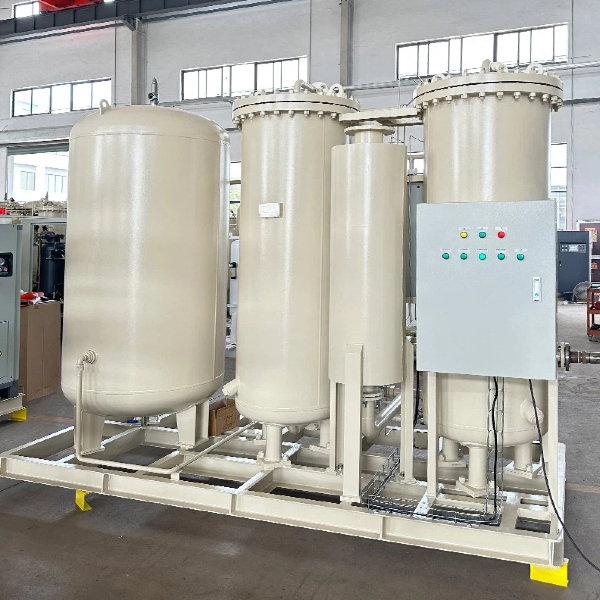
A PSA Gas Generator is an essential piece of equipment that provides on-site gas production, such as nitrogen and oxygen, by separating gases from the atmosphere using the principle of pressure swing adsorption. These generators are particularly useful in industries where high-purity gas is required for continuous processes, reducing the need for delivered cylinders or tanks.

Why PSA Gas Generators are Important?

In an industrial setting, relying on bulk gas suppliers can lead to delayed deliveries, high transportation costs, and storage issues. PSA Gas Generators allow companies to produce the necessary gases on-site, ensuring a continuous and efficient supply of high-purity nitrogen, oxygen, and other gases. This method is particularly beneficial for large-scale operations in manufacturing, healthcare, and laboratories, as it optimizes both cost and time.


2. What Does PSA Stand For?

Defining PSA: Pressure Swing Adsorption

PSA stands for Pressure Swing Adsorption, a gas separation technology based on the differential adsorption properties of gases at different pressures. This technology involves using adsorbent materials to capture specific gases from a mixture, such as nitrogen from air, and then releasing them under controlled pressure changes.

Key Aspects of PSA Technology:

  • Adsorbent Materials: Materials like zeolite or activated carbon that selectively adsorb gases based on their molecular size and affinity.

  • Pressure Swing: The cycle of increasing and decreasing pressure within the system allows for efficient separation and regeneration.

  • Purity Control: By adjusting the pressure and using appropriate adsorbent materials, PSA technology can deliver gases with high purity levels.

PSA is widely used in nitrogen generation, oxygen generation, and other specialized gas production systems.


3. How Does a PSA Gas Generator Work?

PSA Gas Generators work by utilizing the principle of pressure swing adsorption. The process is divided into several stages, with air being filtered and passed through a series of adsorbent beds, typically made of zeolite, that trap certain gases.

Step-by-Step Process of PSA Gas Generation

Stage

Description

1. Air Compression

Ambient air is compressed to a specific pressure using a compressor.

2. Air Drying

The compressed air is passed through dryers to remove moisture, ensuring that the system remains efficient.

3. Adsorption

The compressed, dried air flows into the adsorption bed, where the adsorbent material selectively absorbs the undesired gases, leaving the desired gas (e.g., nitrogen or oxygen) to pass through.

4. Pressure Swing

Once the bed is saturated, the pressure is reduced, causing the adsorbed gases to release and regenerate the bed.

5. Gas Output

The purified gas (e.g., nitrogen or oxygen) is collected and stored for use, while the process continues with the next cycle.

Regeneration Process

The regeneration process is crucial in PSA technology. During regeneration, the adsorbent material releases the adsorbed gases when the pressure is reduced, allowing it to be ready for the next cycle of adsorption. This continuous cycling ensures a steady supply of high-purity gas.


4. Types of PSA Gas Generators

PSA Gas Generators are versatile and can produce various gases, including nitrogen, oxygen, and even hydrogen. The most common types include:

PSA Nitrogen Generator

A PSA Nitrogen Generator separates nitrogen from air, offering high-purity nitrogen gas. These generators are commonly used in industries like food packaging, chemical processing, and electronics manufacturing.

  • Purity Level: Nitrogen purity can range from 95% to 99.9995%, depending on the specific needs of the industry.

  • Applications: Used for inert atmospheres, blanketing, and packaging.

PSA Oxygen Generator

PSA Oxygen Generators are designed to extract oxygen from the air. These generators are widely used in medical and industrial applications where oxygen is required at specific concentrations.

  • Purity Level: Oxygen purity typically ranges from 90% to 95%, but can be adjusted according to requirements.

  • Applications: Medical applications, wastewater treatment, and industrial use.

PSA Hybrid Systems (Nitrogen/Oxygen Mix Generators)

Some PSA Gas Generators are capable of producing a mixture of nitrogen and oxygen, providing versatility for industries that require both gases in specific proportions.

  • Purity Control: The purity of both gases can be independently controlled.

  • Applications: Industries that require a mixture of nitrogen and oxygen for processes like laser cutting and certain chemical reactions.


PSA Gas Generator


5. Benefits of PSA Gas Generators

PSA Gas Generators offer several advantages over traditional gas supply methods such as delivered gas cylinders or cryogenic systems. Below are some of the primary benefits:

Cost-Effectiveness

  • Reduced Supply Costs: On-site production eliminates the need to purchase gas cylinders or bulk gas deliveries, reducing long-term operational costs.

  • Lower Transportation Costs: No need for expensive delivery logistics associated with bulk gas purchases.

Energy Efficiency

Optimized Energy Usage: PSA technology minimizes energy consumption by running on pressure swings rather than continuous power-hungry processes.

Reliability

  • Continuous Supply: Once installed, PSA systems offer a continuous and reliable supply of the required gas.

  • On-Demand Production: PSA Gas Generators produce gas only when needed, eliminating wastage.

Purity Control

  • High-Purity Gas Production: PSA technology can be precisely tuned to produce gases with varying purity levels, making it ideal for critical applications like medical and pharmaceutical industries.

  • Customization: Different industries can fine-tune the gas purity according to their specific needs.

Compact and Space-Saving

PSA systems are often smaller and more compact than traditional bulk gas systems, making them suitable for industries where space is limited.


6. Applications of PSA Gas Generators

PSA Gas Generators find applications in several industries that require high-purity gases for production processes, environmental control, or research.

Industrial Applications

  • Food and Beverage Industry: Nitrogen is used in food packaging to extend shelf life by displacing oxygen.

  • Chemical Manufacturing: Nitrogen is used in inert atmospheres for various chemical processes.

  • Oil and Gas: PSA Nitrogen Generators are used to provide nitrogen for pipeline purging and pressure testing.

Medical and Healthcare

  • Medical Oxygen Generation: Hospitals and medical facilities use PSA Oxygen Generators to ensure a constant and cost-effective supply of medical-grade oxygen.

  • Wastewater Treatment: PSA Oxygen Generators help in the oxygenation of wastewater, promoting efficient biological treatment.

Electronics and Semiconductor Manufacturing

Inert Atmospheres: PSA Nitrogen Generators provide inert gas environments needed for sensitive electronic components manufacturing, preventing oxidation and ensuring product quality.

Pharmaceuticals and Laboratories

Research and Production: PSA Gas Generators provide laboratory-grade nitrogen and oxygen for research purposes, ensuring high-quality results.


7. Why Choose PSA Gas Generators Over Traditional Methods?

PSA Gas Generators offer several advantages compared to traditional gas production and delivery methods like cryogenic air separation and membrane separation.

Comparison Factor

PSA Gas Generators

Cryogenic Systems

Membrane Systems

Energy Efficiency

Energy-efficient due to pressure swing

Energy-intensive

Moderate efficiency

Gas Purity Control

High purity with adjustable output

Consistent but typically lower purity

Lower purity levels

Cost

Lower long-term operational costs

High initial investment and operational costs

Lower upfront cost, but higher long-term costs

Space Requirements

Compact and space-saving

Large and requires storage tanks

Small and easy to install

Installation Time

Quick installation

Longer installation time

Quick installation

PSA Gas Generators are particularly useful for businesses looking to save on long-term costs while ensuring a steady, high-purity gas supply without the complexities of bulk gas deliveries or cryogenic technology.


8. Conclusion

PSA Gas Generators are a vital solution for industries seeking a reliable, cost-effective source of high-purity gas. By understanding how PSA technology functions, along with its key benefits and wide-ranging applications, businesses can make informed decisions about incorporating PSA Gas Generators into their operations.

Whether for nitrogen generation in the food industry, oxygen for medical uses, or specialized gases for electronics manufacturing, PSA Gas Generators offer exceptional advantages, enhancing both efficiency and cost-effectiveness.

At Shanghai Rocky Machinery Co., Ltd., we specialize in providing state-of-the-art PSA Gas Generators tailored to meet the specific needs of various industries. Our solutions are designed to optimize your production process while ensuring high purity and reliable gas supply. To learn more about how our PSA Gas Generators can benefit your business, feel free to contact us for further information or personalized advice. We are committed to delivering solutions that drive operational excellence and cost savings.


9. FAQ

1. What are the main components of a PSA Gas Generator? 

The main components include adsorbent beds, control valves, compressors, and pressure regulators.

2. How do I know if a PSA Gas Generator is right for my business? 

Assess your gas needs, including purity, flow rate, and operational costs. PSA Gas Generators are ideal for industries that require on-site, high-purity gas.

3. What gases can a PSA Gas Generator produce? 

PSA Gas Generators can produce nitrogen, oxygen, and sometimes hydrogen or other gases depending on the system configuration.

4. How much does a PSA Gas Generator cost? 

The cost depends on the size, purity levels, and gas output required. Typically, PSA systems have a higher initial investment but offer significant savings in the long term.

5. How long does a PSA Gas Generator last? 

With proper maintenance, PSA Gas Generators can last for over 10 years, with the adsorbent material requiring replacement every 3–5 years.

6. Can a PSA Gas Generator be customized for specific gas purity needs? 

Yes, PSA systems can be adjusted to produce gases with varying purity levels, catering to specific industrial or medical applications.

7. What is the maintenance like for a PSA Gas Generator? 

Maintenance includes checking the adsorbent material, replacing filters, and periodic inspection of the system for leaks or wear.

Quick Links

Products

Contact Us

Telephone: +86-173-2106-2761
 WhatsApp: +8617321062761
Email:  Anna@rockymachinery.com
 Address: Room 604, #12, Powerlong Center, No.689 Xiwang Road, Jiading District, Shanghai, China
Leave Us A Message
Copyright © 2025 Shanghai Rocky Machinery Co., Ltd. All Rights Reserved.   沪ICP备2021037284号-2