
Views: 0 Author: Site Editor Publish Time: 2026-07-18 Origin: Site
The industrial shift toward stringent air purity standards has accelerated the adoption of water-lubricated systems, but operational teams often misunderstand the specific upkeep these machines require. Facility managers frequently equate "oil-free" with "maintenance-free." Eliminating oil reduces certain environmental and filtration costs. However, an Oil-Free Water-Lubricated Screw Air Compressor introduces unique mechanical and chemical maintenance realities. Water quality management and isolated bearing greasing dictate equipment lifespan. You must understand the daily, quarterly, and long-term maintenance protocols required to protect your investment. Proper care maintains volumetric efficiency and ensures continuous compliance with industry air purity standards. Ignoring these specific requirements leads to rapid mechanical degradation, compromised air quality, and unexpected downtime on the production floor.
Water quality is the primary maintenance driver; utilizing Reverse Osmosis (RO) or demineralized water is non-negotiable to prevent rotor scaling, friction, and corrosion.
Eliminating oil separators and oil filters in the compression chamber significantly reduces routine consumable costs and hazardous waste disposal liabilities.
Though the compression chamber is oil-free, the mechanical drive-end and gearbox (where applicable) and isolated rotor bearings still require strict lubrication and greasing schedules to prevent catastrophic mechanical failure.
Acoustic monitoring and systemic leak checks (for both water and air) are essential to prevent energy loss and protect the longevity of a Class 0 oil free air compressor.
Adhering to OEM maintenance intervals is legally and operationally critical for facilities relying on a food grade oil free air compressor for sensitive applications.
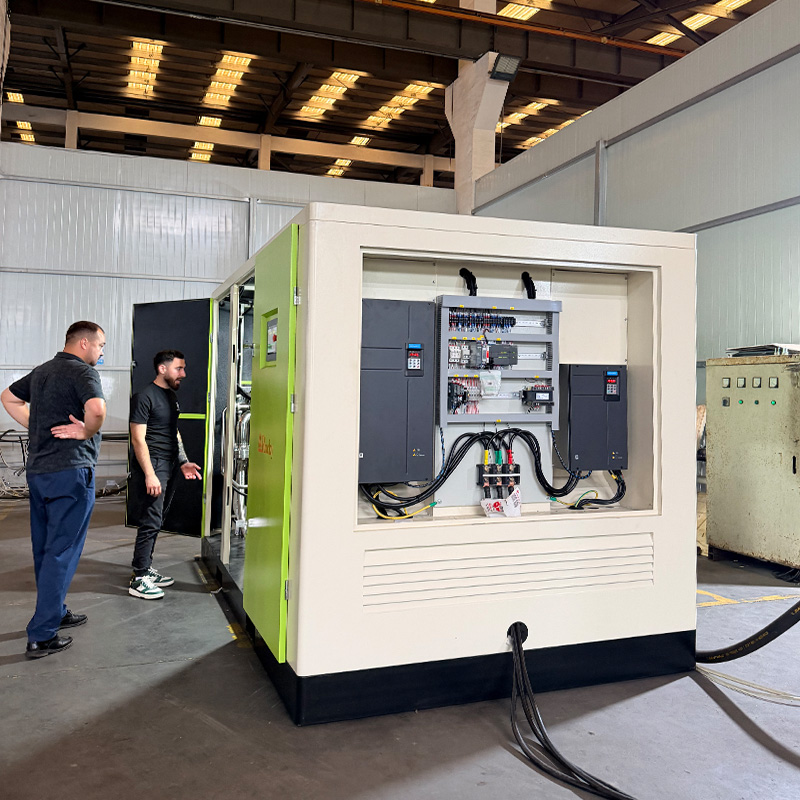 | 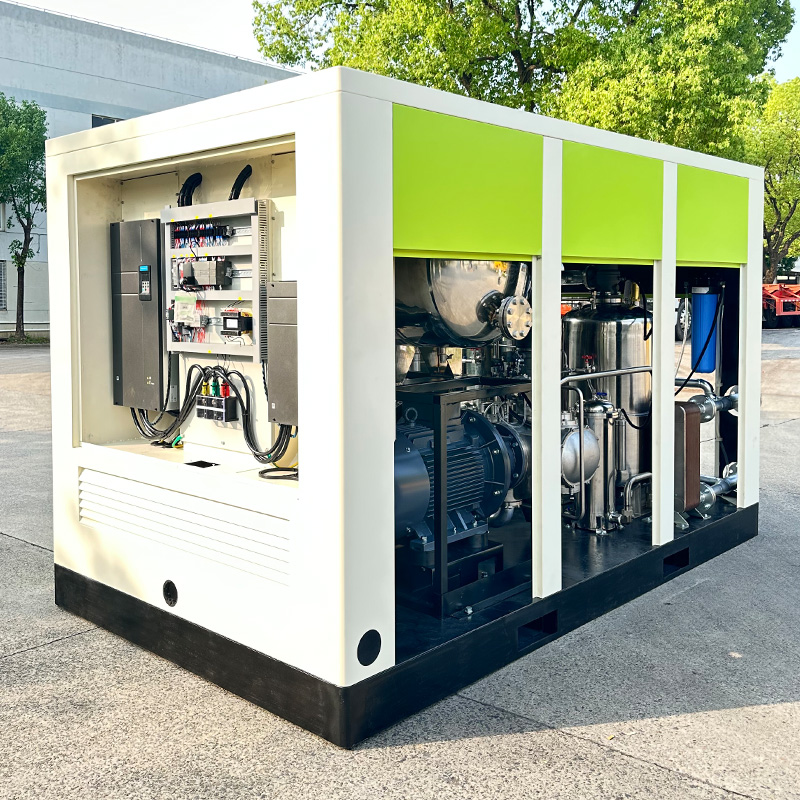 | 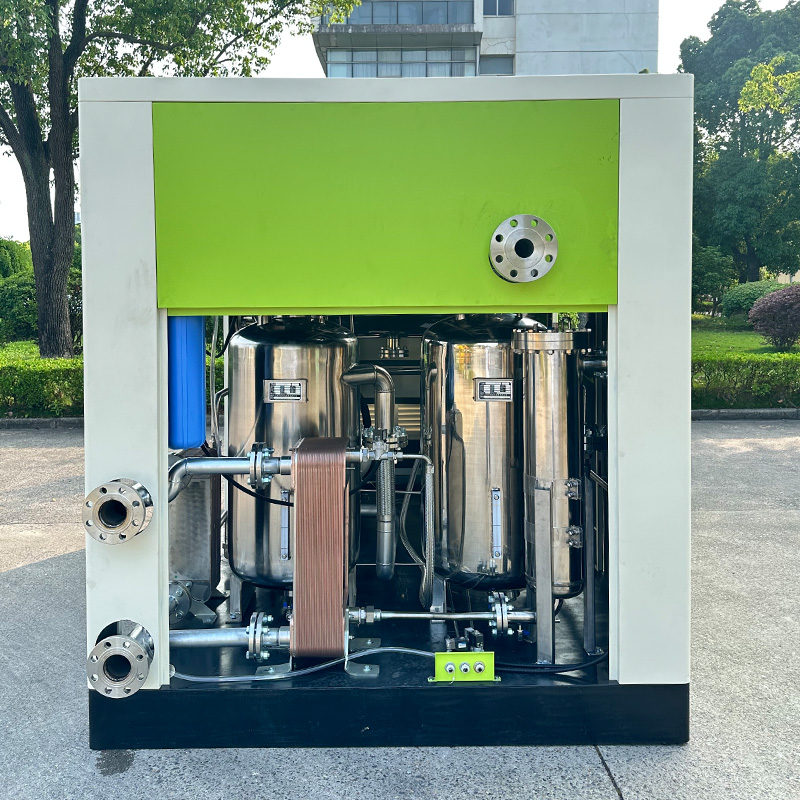 |
Traditional oil-flooded compressors require continuous oil degradation monitoring. Dry oil-free compressors suffer from extreme operating temperatures and eventual Teflon rotor coating degradation. Injecting water into the compression chamber seals clearances effectively. It removes heat isothermally and provides necessary lubrication for the rotors without any hydrocarbon risk. This approach fundamentally alters how maintenance teams approach daily checks and long-term servicing. You no longer worry about oil carryover into the air stream, but you must obsess over the chemical composition of the injection water.
You must understand the dual-chamber reality of these machines. The physical separation within the equipment dictates specific maintenance zones. The compression chamber remains 100% oil-free. However, the drive-gear side and isolation seals still require traditional lubrication management. This physical separation prevents cross-contamination while ensuring mechanical components receive adequate protection against friction and wear. Mechanics must treat the machine as two distinct systems operating in tandem.
Maintenance trade-offs become apparent immediately upon installation. You remove synthetic oil, oil filters, and air/oil separators from the compression-side maintenance schedule. In exchange, you add water filtration, RO system maintenance, and specialized anti-corrosion checks. Teams must pivot from managing oil viscosity to monitoring water conductivity and pH levels. This shift requires different diagnostic tools and a revised approach to preventative maintenance. If your maintenance crew treats a water-injected machine like a standard dry screw, they will destroy the air-end within months.
Maintaining the built-in or external RO water purification system is critical. Hard water introduces severe risks to the internal components. Calcium and magnesium deposits form rapidly on rotors if water quality degrades. You must monitor water conductivity, Total Dissolved Solids (TDS), and pH levels constantly. High conductivity indicates mineral presence, which leads directly to scaling and increased mechanical friction. We typically see rotor lock-ups occur when facilities bypass the RO system during a fault and run raw city water through the injection circuit.
Replacement intervals for water filter elements require strict adherence. These filters prevent particulate damage to the compression chamber. A clogged water filter reduces injection flow, causing temperature spikes and potential rotor lock-up. Establish a routine schedule to inspect and replace these elements based on your facility's raw water quality. An oil free water lubricated air compressor relies entirely on clean fluid dynamics to maintain the tight tolerances between the ceramic or polymer-coated rotors.
Air intake filtration is hyper-critical for a water lubricated screw air compressor. Particulates bypassing the intake filter mix with injection water. This combination creates highly abrasive slurries that wear down rotor profiles rapidly. The resulting damage destroys volumetric efficiency and requires expensive air-end replacements. Think of it like pumping liquid sandpaper through a precision instrument.
Evaluate intake filter replacement based on ambient environmental conditions. Dust-heavy manufacturing environments demand more frequent changes than cleanroom settings. Inspect filters weekly and measure differential pressure to determine the exact replacement timeline. Never attempt to blow out and reuse paper intake filters, as this compromises the micron rating. Replace them outright to protect the internal water loop.
Isolated rotor bearings require specific greasing procedures and approved grease types. Operating pressure directly impacts grease degradation and greasing intervals. Higher operating pressures generate higher mechanical loads. This increased load reduces the safe greasing window, often dropping it to 5,000 hours or less. Always calibrate your greasing schedule to actual operating conditions rather than generic manual estimates. Over-greasing blows out the bearing seals, while under-greasing leads to rapid cage failure.
The isolated gearbox demands traditional oil maintenance. Check oil levels weekly and monitor oil quality for signs of contamination or breakdown. Replace the gear oil at OEM-specified intervals to prevent drive-side wear. Acoustic and vibration analysis helps detect early signs of bearing wear. Perform routine listening checks and utilize vibration sensors to identify scale friction on rotors or internal mechanical misalignment before a breakdown occurs.
Conduct ultrasonic air leak surveys regularly to prevent energy loss. Systemic air leaks force the compressor to cycle excessively, accelerating wear on all mechanical components. Address leaks in the distribution piping immediately to maintain system efficiency. A compressor running constantly to feed leaks will burn through its maintenance intervals twice as fast.
Check for water leaks in the piping, water separator tank, and injection lines. Water loop leaks put unnecessary demand on the water makeup and RO system. Continuous water loss forces the RO system to work harder, degrading membranes faster and increasing the risk of untreated water entering the compression chamber. Inspect the auto-drain valves daily, as they are notorious for sticking open and dumping treated water.
Air-to-water or air-to-air heat exchangers require dedicated maintenance. Flush the cooling circuit periodically to remove biological growth, slime, or mineral scale. These contaminants degrade cooling efficiency, leading to higher discharge temperatures. High temperatures reduce the effectiveness of the water seal and increase the risk of mechanical failure. Keep the cooler fins clean from ambient dust using low-pressure compressed air.
Perform visual checks of the water level in the separator tank and the gearbox oil level. Listen to the unit to identify unusual vibration or acoustic changes. Monitor auto-drain valves to ensure proper condensate discharge. Check the differential pressure across the air intake filter. Verify operating temperatures, water conductivity alerts, and system pressures on the controller. Inspect external connections for any water or air leaks. Document these readings in a logbook to track degradation trends over time.
Replace air intake filters and water filter elements. Inspect and clean the RO system membranes. Check the drive coupling and test safety relief valves to ensure operational safety. Conduct acoustic and vibration monitoring analysis on the air end and motor bearings to establish a baseline for wear. Verify that the water injection nozzles are spraying a uniform pattern and are free from mineral obstruction.
Perform a complete system water drain, flush the water circuit, and replenish it with fresh RO water. Execute a gearbox oil change and grease the bearings according to operating pressure and OEM specifications. Inspect water injection nozzles for scale buildup or blockages. Replace critical water seals, shaft seals, and check valves. Calibrate temperature, pressure, and conductivity sensors to ensure accurate controller readings. This annual teardown prevents the majority of catastrophic failures we see in the field.
Conduct a detailed inspection of the rotor housing for corrosion, pitting, or scale damage. Perform complete bearing replacement, seal replacement, and rotor balancing. Evaluate the water separator vessel for structural integrity and signs of internal fatigue. Rebuild the unloader valve and replace all internal O-rings and gaskets.
Maintenance Interval | Key Action Items | Primary Objective |
|---|---|---|
Daily/Weekly | Check water/oil levels, monitor conductivity, drain valves | Prevent immediate operational faults |
Quarterly | Replace air/water filters, clean RO membranes | Maintain fluid flow and air purity |
Annual | Flush water circuit, change gear oil, replace seals | Prevent mechanical wear and cross-contamination |
Major Overhaul | Replace bearings, balance rotors, inspect housing | Extend equipment lifecycle and restore efficiency |
Proper maintenance of filtration and water quality ensures the system consistently delivers 100% oil-free air. A Class 0 oil free air compressor relies entirely on the integrity of its isolation seals and water quality. Downstream air treatment, including desiccant dryers and sterile filters, requires synchronized maintenance schedules. Protecting downstream processes means treating the compressor and the air treatment equipment as a single unified system. If the compressor's water separator fails, it will flood the downstream desiccant dryer, destroying the activated alumina beads.
Food and beverage manufacturing demands strict adherence to FDA, USDA, or GFSI compliance. A food grade oil free air compressor requires specific maintenance protocols. You must use certified food-grade greases for isolated bearings. Maintain rigorous hygienic standards for the water replenishment circuit. Biofilm development poses a significant risk in these applications. Implement routine sanitization steps for the water loop to prevent bacterial contamination from reaching the compressed air stream. We recommend installing UV sterilization lights in the water makeup tank for high-risk food packaging lines.
Bypassing RO systems or failing to replace water filters leads directly to mineral scale buildup. This scale increases friction, reduces efficiency, and risks rotor lock-up. Strict adherence to water conductivity monitoring is essential. Implement automated water blowdown and replenishment procedures to keep mineral concentrations well below dangerous thresholds. If you hear a high-pitched squeal from the air-end, shut the machine down immediately; it usually indicates scale friction.
The shaft seal separates the lubricated gearbox from the compression chamber. Failure of this seal leads to water entering the gearbox or oil entering the water circuit. Regular inspection of the seal weep holes provides early warning signs. Timely replacement of shaft seals during scheduled maintenance prevents catastrophic cross-contamination. If you see milky white oil in the gearbox sight glass, water has breached the seal.
Stagnant water or poor raw water quality leads to algae or bacterial growth. This growth clogs injection nozzles and contaminates the compressed air. Regular system flushing mitigates this risk. Maintain UV lights if equipped, and ensure continuous water circulation protocols are followed during periods of low demand. Drain the system completely if the compressor will sit idle for more than a week.
Over-greasing or under-greasing bearings leads to premature air-end failure. Using incompatible grease types destroys bearing cages rapidly. Utilize only OEM-specified grease. Adjust greasing intervals strictly based on actual operating pressures and temperatures rather than relying solely on calendar dates. Use an ultrasonic grease caddy to listen to the bearing while applying grease to ensure you do not over-pack the cavity.
Maintaining these specialized machines requires a shift in focus from oil degradation to strict water quality control and isolation seal monitoring. To ensure optimal performance and longevity, take the following actions:
Establish a daily log for water conductivity and pH levels to catch scaling risks early.
Synchronize your RO membrane cleaning schedule with your quarterly compressor filter replacements.
Install acoustic monitoring sensors on the air-end to detect bearing wear before mechanical failure occurs.
Audit the isolation seal weep holes weekly to prevent cross-contamination between the gearbox and compression chamber.
A: You should monitor water conductivity daily through the equipment's controller. Set automated alarms to trigger if conductivity exceeds OEM specifications, as high levels lead to rapid mineral scaling on the rotors.
A: No. Introducing untreated tap water into the compression chamber introduces calcium and magnesium. These minerals will quickly coat the rotors, increasing friction and potentially causing the air-end to seize.
A: While the compression chamber is entirely oil-free, the mechanical drive-end and gearbox require lubrication to prevent gear wear. Physical isolation seals prevent this gear oil from entering the clean compression chamber.
A: Clogged nozzles typically result from poor water filtration, mineral scale buildup, or microbiological growth in the water circuit. Regular filter changes and system flushing prevent these blockages.
A: Inspect the designated weep holes located between the gearbox and the compression chamber. If you observe oil or water dripping from these holes, the isolation seal is compromised and requires immediate replacement.


