
Views: 0 Author: Site Editor Publish Time: 2026-08-12 Origin: Site
Modern manufacturing and processing facilities face tightening regulatory standards every single day. Rising energy costs squeeze operational budgets, forcing managers to scrutinize every piece of equipment. Furthermore, operators maintain absolute zero tolerance for product contamination across their production lines. Traditional lobe or oil-lubricated blowers struggle to meet these strict, modern demands. They inherently carry contamination risks and consume vast amounts of electricity. The transition to an Oil-Free Screw Blower offers a robust, highly effective solution to these challenges.
We acknowledge the initial capital expenditure (CapEx) for this upgrade runs higher than legacy options. However, long-term operational savings and strict risk mitigation usually justify the investment for specific applications. In this article, you will discover which industries benefit most from this technology. You will learn how to evaluate upfront costs against long-term energy savings.
Zero Contamination Risk: Oil-free screw blowers guarantee ISO 8573-1 Class 0 air purity, eliminating product recall risks tied to oil vapor.
Energy Efficiency: These systems typically reduce energy consumption by up to 30% compared to traditional lobe blowers, directly impacting operational expenditures (OpEx).
Core Adopters: Essential for wastewater aeration, food and beverage processing, pharmaceuticals, and semiconductor manufacturing.
Evaluation Criteria: Procurement decisions should weigh upfront costs against long-term energy savings, compliance requirements, and maintenance intervals.
 |  |  |
You must contrast the elevated initial CapEx against the potential financial devastation of a contaminated batch. A single contamination event causes severe financial damage. Pharmaceutical recalls ruin brand reputation instantly. Food spoilage leads to massive revenue loss and legal liability. These operational disasters completely overshadow any upfront savings gained by purchasing cheaper, lubricated equipment. Risk mitigation drives the primary business case for upgrading.
It helps to clarify technical and application boundaries early. An Oil Free Air Compressor handles different tasks than a blower. Blowers operate at much lower pressures. They typically deliver 0.3 to 1.2 bar for high-volume air movement. Facilities use them to move bulk materials or aerate large basins. Conversely, you utilize compressors for high-pressure pneumatic tooling. Compressors supply raw plant power. You cannot swap them efficiently.
Operators must understand the ISO 8573-1 Class 0 certification standard. This standard certifies true, absolute air purity. Some manufacturers label their systems as "technically oil-free." They use inline filters on lubricated systems to catch oil mist. This approach remains fundamentally different and far riskier. Filters degrade over time. True oil-free compression chambers eliminate this hazard entirely. No oil ever enters the compression space.
Pneumatic conveying moves raw materials constantly in modern food plants. Facilities transport flour, sugar, and powdered dairy daily. Fermentation processes rely on pure, steady aeration. Packaging lines require spotless air streams to blow open bags or clean containers. You must eliminate oil vapor entirely from these processes. Trace oil compromises taste and odor. It directly threatens consumer safety.
Facilities must pass strict FDA and IFS audits. Success demands absolute compliance with air purity standards. Implementation requires careful downstream planning. You cannot connect pristine blowers to dirty legacy pipes. Facilities must integrate food-grade stainless steel piping downstream. This step maintains purity from the generation point directly to the application.
Aeration of fermentation tanks demands absolute precision. Tablet coating requires consistent, pure airflow. Active pharmaceutical ingredient (API) manufacturing allows zero room for errors. Operators prioritize complete biological and chemical sterility above all else. Facilities avoid costly batch rejections by guaranteeing clean air. A single contaminated API batch costs millions of dollars in lost revenue.
Evaluation dimensions extend beyond basic purity. You need verifiable certification trails for regulatory compliance. Inspectors demand strict documentation proving Class 0 status. The equipment must also deliver consistent pressure. You cannot tolerate harmful pulsation in these lines. Mechanical pulsation damages delicate biological cell cultures during fermentation.
Cleanroom environments protect highly sensitive, microscopic components. Wafer fabrication operates under the strictest global tolerances. Precision drying removes ultimate traces of moisture before final assembly. Success in this industry requires zero-particulate and zero-vapor environments. You must guarantee these conditions continuously.
Even microscopic oil mist causes catastrophic short circuits. It renders entire batches of complex microchips defective. The semiconductor industry relies heavily on pure air to maintain yield rates. Contamination brings production lines to a sudden, expensive halt. Manufacturers specify oil-free technology to protect billions of dollars in daily throughput.
Aeration dominates wastewater treatment expenses globally. It accounts for 50-70% of a treatment plant’s total energy consumption. Diffused aeration operates continuously in biological treatment basins. Microorganisms need constant oxygen to break down waste material. Traditional Roots blowers consume massive amounts of power to meet this biological oxygen demand.
Replacing legacy technology yields steep energy drops. Operators replace old lobe blowers with Variable Speed Drive (VSD) oil-free screw blowers. VSD systems adjust output dynamically to match exact oxygen demands. Facilities frequently achieve return on investment (ROI) within 18–24 months. These savings continue compounding over the entire equipment lifespan.
Common Mistake: Operating blowers at full speed during low-demand night shifts. Always utilize VSD controls to match biological load variations.
Oxidation processes demand reliable, continuous airflow. Fluidization keeps granular materials moving safely through processing pipelines. Hazardous gas handling introduces extreme safety protocols. Equipment reliability remains crucial in these incredibly harsh environments. You must eliminate specific chemical risks entirely.
Oil reacts volatilely when exposed to certain process gases. These chemical reactions cause dangerous facility explosions. Implementation requires careful risk management. Facilities need specialized sealing mechanisms inside the blowers. Depending on the specific facility zone, ATEX-certified configurations become mandatory. You cannot compromise on explosion-proof standards when handling volatile chemicals.
We must evaluate the 10-year lifecycle cost model. We break down initial CapEx versus long-term OpEx. Energy constitutes roughly 70-80% of lifecycle expenditures. It completely overshadows the initial purchase price. Upfront costs only represent 10-20% of the total budget. Maintenance accounts for the remaining fraction.
Expenditure Category | Percentage of Total Cost | Impact Level |
|---|---|---|
Energy Consumption (OpEx) | 70% - 80% | Critical (Continuous drain on budget) |
Initial Purchase (CapEx) | 10% - 20% | High (One-time upfront investment) |
Routine Maintenance | 5% - 10% | Moderate (Predictable scheduled costs) |
We must address maintenance skepticism directly. Oil-free systems eliminate specific, dirty chores. You skip oil changes in the compression chamber entirely. Filter replacements become far less frequent. However, mechanical demands still remain. Operators must adhere strictly to timing gear schedules. Bearing lubrication requires punctual attention. Neglecting these mechanical areas causes severe equipment failure.
Performance degradation separates these technologies clearly. Legacy lobe blowers lose efficiency over time. Internal wear increases rotor clearances. Air slips backward during operation, wasting energy. Screw blowers maintain a highly consistent performance curve over their lifespan. Their internal compression prevents efficiency loss. Non-contacting internal rotors eliminate physical wear almost entirely.
Procurement teams need a structured approach to specify new equipment. Following a logical evaluation path prevents costly operational mismatches.
Sizing to Demand: Avoid over-sizing your equipment. Facilities often buy larger units out of caution. This mistake inflates energy bills permanently. Use baseline airflow mapping instead. Determine your exact volume and pressure requirements before requesting quotes.
VSD Integration: Evaluate your daily plant demand fluctuations. Does the demand change across shifts? Variable Speed Drives manage these changes efficiently. They adjust motor speed instantly to match demand. This prevents massive energy waste during low-production periods.
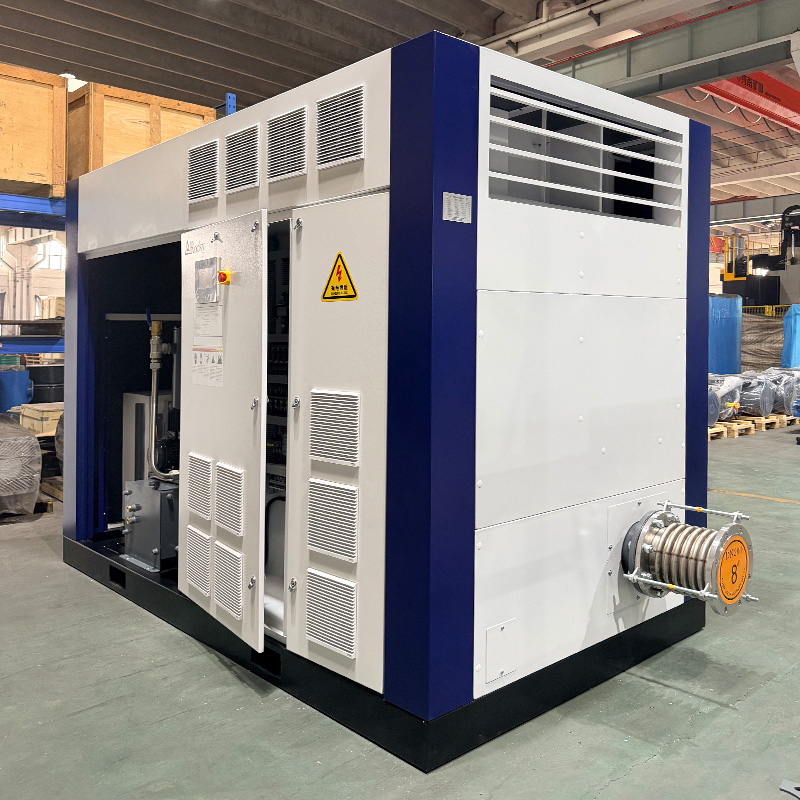
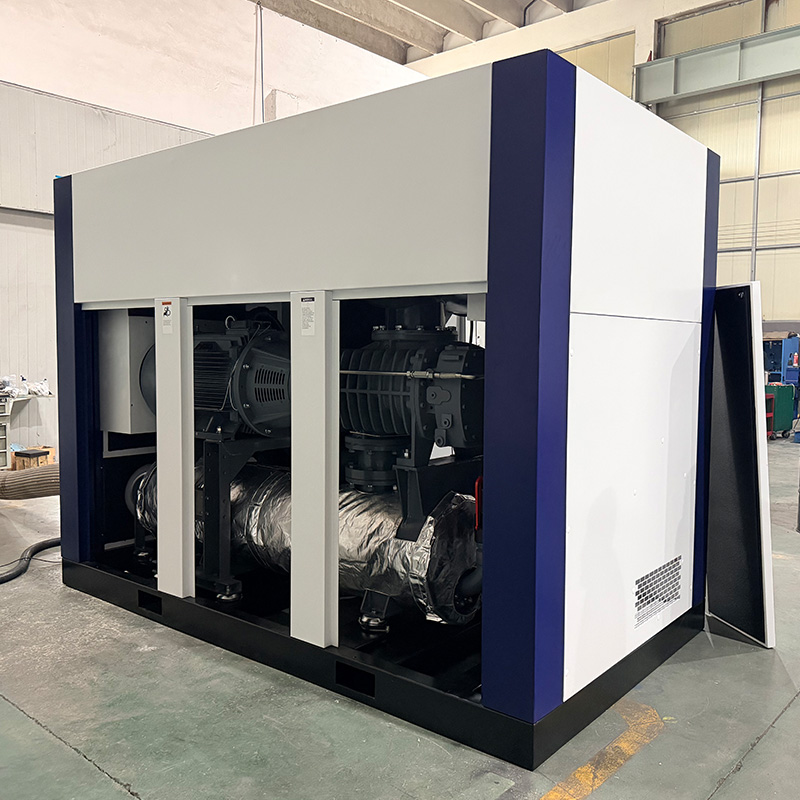
Cooling Methods & Footprint: Assess air-cooled versus water-cooled options. Review your ambient plant temperatures carefully. Check your available floor space. Many facilities prefer plug-and-play acoustic enclosures. They reduce noise drastically and simplify physical installation.
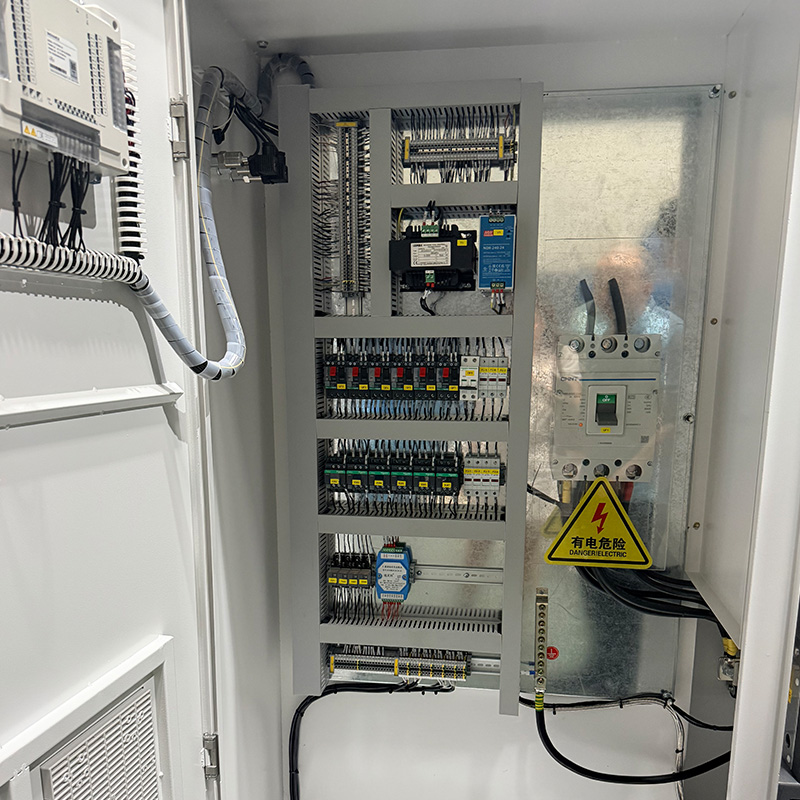
Control and Telemetry: Prioritize advanced control integration. Look for robust PLC integration capabilities. Protocols like Modbus or Profibus connect easily to central networks. They enable predictive maintenance strategies. Remote SCADA monitoring keeps operators informed continuously.
Best Practice: Always request a factory acceptance test (FAT) document verifying the specific performance metrics before delivery.
The decision framework for upgrading requires careful financial calculation. Upfront costs paint an incomplete picture of your true facility liabilities. You must calculate the massive cost of contamination risks. Energy inefficiencies drain operational budgets silently every day. Modern facilities simply cannot afford these invisible losses.
Adopt a holistic view of your operational expenditures over a 10-year period.
Prioritize Class 0 certification to eliminate all vapor contamination risks.
Leverage VSD technology in fluctuating environments to maximize your ROI.
Encourage your engineers to act proactively today. Facility managers should conduct an immediate operational air audit. Map your current energy usage precisely. Request a lifecycle cost analysis (LCCA) from qualified manufacturers. Use this concrete data to validate your potential ROI and secure a safer operational future.
A: Regulatory and mechanical distinctions separate them. "Oil-free" guarantees ISO 8573-1 Class 0 standards. No oil exists in the compression chamber at all. "Oil-less" systems often use lubrication elsewhere and rely on filters to block oil from the air stream. Filters degrade and fail over time. Class 0 certification provides absolute peace of mind.
A: We strongly advise against this. High-pressure compressors consume massive amounts of energy. Regulating their output down for low-pressure applications wastes electricity entirely. Aeration requires high volume at low pressure (typically 0.3 to 1.2 bar). Blowers match this exact operational profile efficiently.
A: Standard industry expectations are highly favorable. Quality units operate reliably for over 40,000 hours before requiring a major overhaul. This longevity depends heavily on strict adherence to maintenance schedules. Operators must monitor bearing health carefully. Non-contacting internal rotors ensure the core compression elements do not wear down prematurely.
A: Older technologies generated excessive noise. Modern units employ advanced sound mitigation strategies. Manufacturers enclose the equipment in plug-and-play acoustic enclosures. They utilize specialized intake and discharge silencers. These engineered solutions effectively dampen high-frequency noise. Standard installations typically keep operational noise levels well below 75 dB(A).


