
Views: 0 Author: Site Editor Publish Time: 2025-12-25 Origin: Site
In industries like construction, manufacturing, mining, and oil & gas, compressed air systems operate in some of the toughest environments on earth. These conditions — whether freezing cold, scorching hot, dusty, humid, or remote — don't just test equipment; they reveal its true quality.
When machines are pushed to their limits, weaknesses quickly surface. Poorly chosen or maintained systems lead to performance drops, safety risks, and costly unplanned downtime. That's why in demanding applications, "quality" is not a luxury — it's an operational necessity.
This article explores what defines quality in compressed air systems under harsh conditions, identifies common failure points, and explains how smart design and equipment selection can keep your operations running reliably.
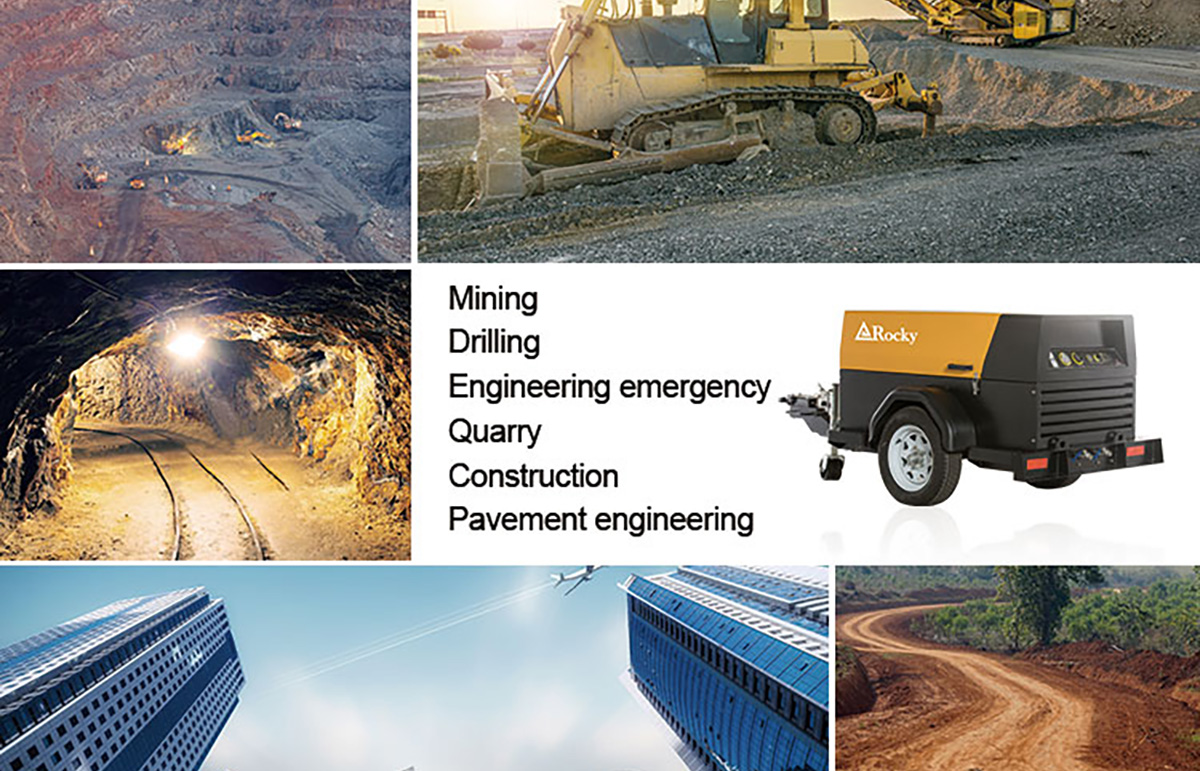
In challenging environments, quality extends far beyond a nameplate or a list of features. True quality is measured by how a system performs under pressure — both literally and environmentally.
Key markers of a high-quality compressed air system include:
Reliability: Consistent operation without unexpected shutdowns, even in variable or extreme conditions.
Durability: Components built to withstand physical stress, corrosion, vibration, and long operating hours.
Efficiency: Optimal performance with minimal energy or fuel waste — crucial in remote sites where resources are limited.
Air Purity: Clean, dry air that protects downstream tools, pneumatic controls, and sensitive processes.
Serviceability: Easy access for maintenance and repair, supported by responsive technical support to minimize downtime.
Together, these factors determine not only uptime but also long-term safety and total cost of ownership.
Each environment brings unique stresses that can degrade performance and increase operating costs if not properly addressed.
Cold: Can cause oil thickening, freezing condensate, and difficult startups.
Heat: Reduces efficiency, strains cooling systems, and may lead to overheating.
Abrasive particles clog filters, wear down internal components, and contaminate airflow — accelerating maintenance cycles.
Water vapor leads to condensation, promoting corrosion in air lines, valves, and controls, and risking ice formation in cold weather.
Coastal or offshore environments accelerate rust and material degradation, shortening equipment life.
Uneven ground, limited access, and vibration demand robust chassis, stability, and mobility features.
Thinner air at high elevation affects engine combustion and compressor performance if not properly adjusted.
Even indoors, inadequate ventilation, high ambient temperatures, or airborne contaminants can mimic harsh outdoor environments.
Often overlooked, leaks from worn hoses, seals, or fittings cause pressure drops, force compressors to work harder, and waste significant energy.
Using non-genuine parts, delaying filter changes, or ignoring oil intervals compromises air quality and system integrity.
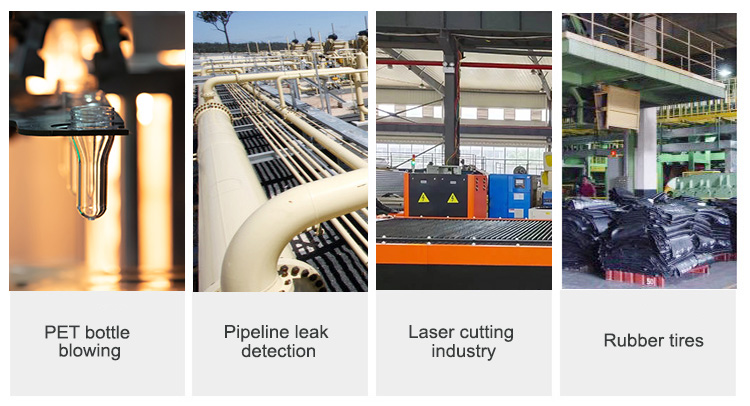
Preventing failures starts with anticipating environmental risks and choosing equipment designed to handle them. Here are common failure points — and how to avoid them:
In freezing conditions, engines and compressors can struggle to start, delaying critical operations.
✅ Solution: Select units with cold-start packages, engine block heaters, and fluids rated for low temperatures.
Rust can compromise structural integrity and internal components in months.
✅ Solution: Opt for corrosion-resistant coatings, stainless steel fittings, and polymer-based exterior panels (like polyethylene doors and bumpers).
An oversized compressor cycles excessively; an undersized one runs continuously — both reduce efficiency and lifespan.
✅ Solution: Match the compressor to your actual demand, considering peak flow, pressure, duty cycle, and air quality needs.
High discharge temperatures reduce air density, overload dryers, and risk downstream overheating.
✅ Solution: Ensure adequate aftercooling capacity and consider ambient-rated designs for hot regions.
Loose connections, software issues, or calibration errors can plague even new systems.
✅ Solution: Choose suppliers that perform thorough factory testing and provide commissioning support.
Unchecked leaks waste energy and reduce system pressure; contaminated air damages tools and products.
✅ Solution: Implement routine leak detection, use quality fittings and hoses, and maintain filtration and drying systems rigorously.
In harsh environments, equipment failure isn't just an inconvenience — it can halt an entire project, create safety hazards, and erode profitability. A high-quality compressed air system delivers:
Maximum Uptime: Built to endure real-world stresses, quality systems keep running when others fail.
Enhanced Safety: Reliable air supply ensures that pneumatic controls, brakes, and safety systems function correctly.
Lower Lifetime Costs: Durable, efficient systems reduce energy use, maintenance frequency, and premature replacement expenses.
Whether you're operating in desert heat, coastal salt spray, freezing cold, or remote terrain, the right compressed air system should be part of your foundation — not your failure point.
At Shanghai Rocky Machinery Co.,Ltd, we engineer air compressors, dryers, and auxiliary systems to meet German engineering standards and excel in the world’s toughest environments. With over 20 years of industry experience and 13 years serving international markets, we understand what it takes to deliver reliability where it matters most.
Explore our range of screw air compressor, diesel air compressor, and Boosters — each designed to perform under pressure.
Get in touch today to discuss your specific environmental challenges and operational needs. Let's build a system that works as hard as your team does.


